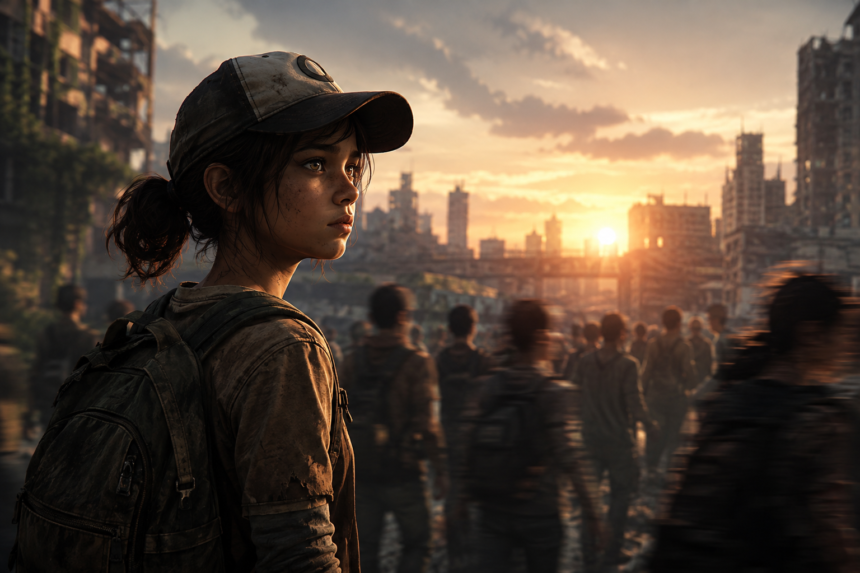
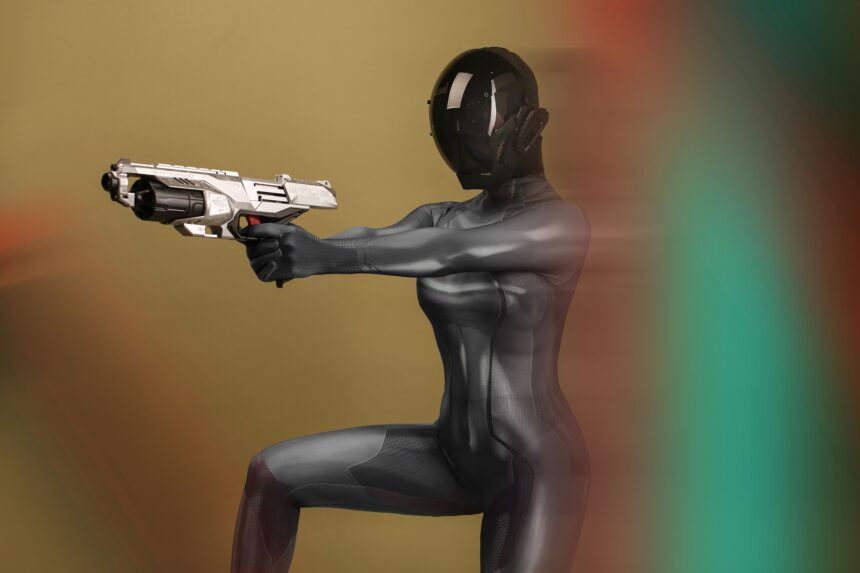

Commander Shepard is a hero you build as much as a hero you play. Across three games, Shepard goes from a promising Alliance soldier to the person an entire galaxy leans on, and the series keeps asking what that kind of weight does to someone.
This Commander Shepard character analysis looks at how the role is designed, why the trilogy’s relationships matter more than its explosions, and what Shepard’s story says about leadership, sacrifice, and the choices that stay with you.
Who Commander Shepard Is and Why the Role Works
Most game protagonists come with a fixed personality. You’re handed a voice, a backstory, and a temperament, and your job is to play along. Shepard is different. BioWare gave players a framework and let them fill it in, and the result is a character who feels strangely personal.
That design choice shapes everything. When Shepard makes a hard call, it doesn’t feel like a script. It feels like you did it, and that’s exactly why the consequences hit so hard.
A Soldier Built on Choices
The trilogy opens by asking who you are before the story even begins. You pick a background: a colonist who grew up on Mindoir, a spacer raised on ships, or an Earthborn kid who found their own way. You pick a psychological profile too, shaped by events like the Akuze disaster, the defense of Elysium, or the ruthless assault on Torfan. These details are small, but they color how people talk to you for the rest of the game.
Then there’s the moral system. In the first two games, you build a reputation through Paragon and Renegade choices, and the game rewards you for committing to one style. It’s not just about being nice or mean. It’s about how you carry authority: through trust, or through fear.
At the start of Mass Effect, Shepard is already respected but not yet legendary. The mission on Eden Prime is the first real test, and it goes badly. A turian operative named Saren attacks the colony, a strange beacon puts a vision of horror into Shepard’s head, and suddenly a routine mission becomes a conspiracy.
From there, the story escalates. Shepard becomes the first human Spectre, an elite agent who answers to the galactic Council. It’s a huge honor, and the game is careful to show how little the Council actually wants to help. You’re given power without much support, and you’re expected to save everyone anyway.
I think that’s the first clue to who Shepard really is. The role isn’t about being the strongest person in the room. It’s about being the one who shows up when nobody else will, and then having to live with what happens next.
The first game’s defining moment arrives on Virmire. You’re forced to choose between two members of your own team, Ashley or Kaidan, and whichever you save, the other is gone. There’s no clever solution, and no way to feel good about it. It’s the point where Shepard stops being a soldier following orders and becomes a leader accepting loss.
And the voices matter. Jennifer Hale and Mark Meer, who voice female and male Shepard, bring different but equally believable energy to the role. Fans argue endlessly about which one is “canon,” but the point of the character is that there isn’t one right answer. Shepard is whoever you decided to be.
Dying, Coming Back, and Leading Anyway
Mass Effect 2 opens with one of the boldest moves in gaming: it kills the main character in the first few minutes. Shepard is blown out of the Normandy, the ship is destroyed, and the screen cuts to black. For a series built on your choices, it’s a shock.
The story picks up two years later. A human-supremacist organization called Cerberus, led by the enigmatic Illusive Man, has rebuilt Shepard. It’s an uncomfortable alliance, because Cerberus has done terrible things, and the game never lets you forget that. Shepard returns not as a triumphant hero but as a tool in someone else’s hands.
That tension drives the whole game. Shepard needs Cerberus’s resources to stop the Collectors, a mysterious species abducting human colonies, but doesn’t trust them for a second. The result is a hero who’s constantly working with people she or he doesn’t respect, for a cause bigger than any of them.
Here’s the part that makes Mass Effect 2 special: it’s a game about building a team. You recruit specialists, solve their personal problems through loyalty missions, and prepare for a final suicide mission that could kill any of them. The stakes feel real because you’ve spent hours learning who these people are.
Garrus, Tali, Mordin, Thane, Miranda, Jack, Samara. Each one has a story, a wound, and a reason for following Shepard into the unknown. Helping them isn’t just a side activity. It’s the heart of the game, and it shows what Shepard is really good at: bringing out the best in people who’ve been burned before.
That’s the quiet brilliance of the role. Shepard isn’t the smartest, strongest, or most skilled member of the crew. Shepard’s superpower is trust. People give their best because Shepard believes in them, and that belief becomes a kind of leadership the galaxy badly needs.
The suicide mission itself is a masterpiece of consequence design. Whether people live or die depends on choices you made hours earlier: who you trusted with which task, whether you earned their loyalty, whether you upgraded the ship. It’s one of the few games where being a good leader actually changes the ending.
What Shepard’s Story Says About Leadership, Loyalty, and Sacrifice
Underneath the space opera, the trilogy is a study of what leadership costs. Shepard isn’t a lone gunslinger. Every victory depends on other people, and every defeat falls on Shepard’s shoulders.
Here’s how the main pieces of that story fit together.
| Story element | What it represents | Why it matters |
|---|---|---|
| The Virmire choice | The cost of command | Shows that leadership means choosing who to lose |
| Shepard’s death in ME2 | Fragility behind the legend | Reminds you the hero is a person, not a symbol |
| Loyalty missions | Earning trust | Turns a team into a family |
| The Reapers | An unstoppable, ancient threat | Forces Shepard to unite people who barely tolerate each other |
| Paragon and Renegade | Two styles of authority | Lets players decide how Shepard carries power |
| The final choice in ME3 | Sacrifice and acceptance | Asks what Shepard is willing to give up |
The Reapers are worth a moment. They’re ancient machines that wipe out advanced civilizations every fifty thousand years, and Shepard is the only person who has seen proof of them. For most of the trilogy, nobody believes it. That sense of isolation, of knowing a terrible truth and being ignored, is the emotional engine of the story.
By Mass Effect 3, the Reapers have arrived, and the galaxy is finally listening. But it’s almost too late. Earth is burning, the Council is broken, and Shepard has to persuade rival species to stop fighting each other long enough to survive. It’s a war game, but the real battles are conversations.
Some of the most powerful moments in the series are quiet. Shepard sits with Garrus on a damaged ship, sharing a drink and a laugh before the end. Tali finally gets a chance to see her homeworld. Liara steps into a leadership role of her own. These scenes aren’t about the war. They’re about what the war is for.
And then there’s the ending. Mass Effect 3 closes with a final choice about how to deal with the Reapers, and it divided fans enormously when it launched. The debate was fierce, and BioWare responded with an Extended Cut that added more context and epilogue material. Whatever you think of the ending itself, it’s clear that the series cared about giving you a meaningful decision, not just a victory lap.
What makes Shepard compelling is that the ending isn’t really about the choice. It’s about the person making it. Every option asks Shepard to accept a cost, and every one reflects the kind of leader you’ve been for three games.
Here are four things Shepard’s story teaches that most action games skip:
- Leadership is about people, not power. Shepard’s greatest strength is earning loyalty, not winning fights.
- Hard choices have no clean answers. Virmire, the Genophage, and the final decision all ask you to live with imperfect outcomes.
- Trust is built in small moments. The quiet conversations between missions matter more than the big battles.
- Sacrifice isn’t always death. Sometimes it’s giving up certainty, comfort, or the version of yourself you thought you’d be.
There’s also something worth saying about the relationships. Whether you romance a crewmate or simply become close friends, the games treat those bonds as real. When someone you care about is in danger, the tension isn’t about a health bar. It’s about a person you’d genuinely hate to lose.
That’s what keeps players returning to the trilogy years later. The Legendary Edition, which remastered all three games, gave a new generation a chance to meet Shepard, and people keep discovering that the story still hits. It’s not just the sci-fi spectacle. It’s the sense that your choices, however small, mattered.
It also changes how you see yourself. Many players say they made decisions in Mass Effect that they’d never make in real life, and then felt guilty about them for weeks. That kind of emotional investment is rare, and it’s a testament to how well the role is written.
Frequently Asked Questions About Commander Shepard
Who is Commander Shepard?
Commander Shepard is the player-controlled protagonist of the Mass Effect trilogy, an Alliance Navy officer who becomes the first human Spectre and leads humanity and its allies against the Reapers. Players choose Shepard’s gender, background, appearance, and class, which makes the character feel personal and unique to each playthrough.
Who voices Commander Shepard?
Jennifer Hale voices female Shepard, often called FemShep, and Mark Meer voices male Shepard. Both performances are highly regarded, and many fans have strong preferences. Hale’s version is especially popular for its warmth and confidence, while Meer brings a steady, grounded presence to the role.
What is the difference between Paragon and Renegade?
Paragon and Renegade are two moral approaches in the first two games. Paragon choices tend to be diplomatic, compassionate, and trusting, while Renegade choices are blunter, more aggressive, and willing to bend the rules. Neither is strictly good or evil. They’re two ways of leading, and the games reward you for committing to your style.
Why does Shepard die in Mass Effect 2?
The opening of Mass Effect 2 destroys the Normandy and kills Shepard, setting up the Cerberus resurrection storyline. It’s a deliberate narrative reset that reminds players Shepard isn’t invincible and forces the character into an uncomfortable partnership with an organization they used to oppose.
Do I need to play all three Mass Effect games?
Yes, ideally. The trilogy is designed as one continuous story, and your choices carry over from game to game. If you’re worried about time or older graphics, the Legendary Edition bundles all three in a polished collection, making it the easiest way to experience Shepard’s full arc.
Is Mass Effect 3’s ending really that bad?
Opinions vary a lot. Many players felt the original ending didn’t reflect the depth of their choices, while others appreciated its thematic ambition. BioWare released an Extended Cut that added context and clarity. If you’re curious, it’s worth experiencing yourself and forming your own opinion.
Why do people love Shepard so much?
Because Shepard feels like an extension of the player. Your decisions shape the character, your relationships define the story, and the consequences linger long after the credits. It’s a rare kind of storytelling where you’re not just watching a hero. You’re responsible for one.
Conclusion
Commander Shepard endures because the role trusts you with something most games don’t: a real share of the story. You decide who the hero is, and then you have to live with what that hero does. That’s a powerful kind of intimacy, and it’s why so many players still talk about Mass Effect like it happened to them.
The most affecting thing about Shepard isn’t the heroics or the galaxy-saving speeches. It’s the small, human moments in between: a conversation in the mess hall, a loyal friend at your side, a choice you made at two in the morning and still think about.
If you’ve only played Shepard once, consider going back with a different personality. Be the leader you weren’t last time. Trust different people. Make the hard decision the other way. You may find that the story doesn’t change as much as you expected, but you do.
That’s the real legacy of Commander Shepard: a hero who becomes a mirror, showing you what you’re willing to carry for the people you care about.