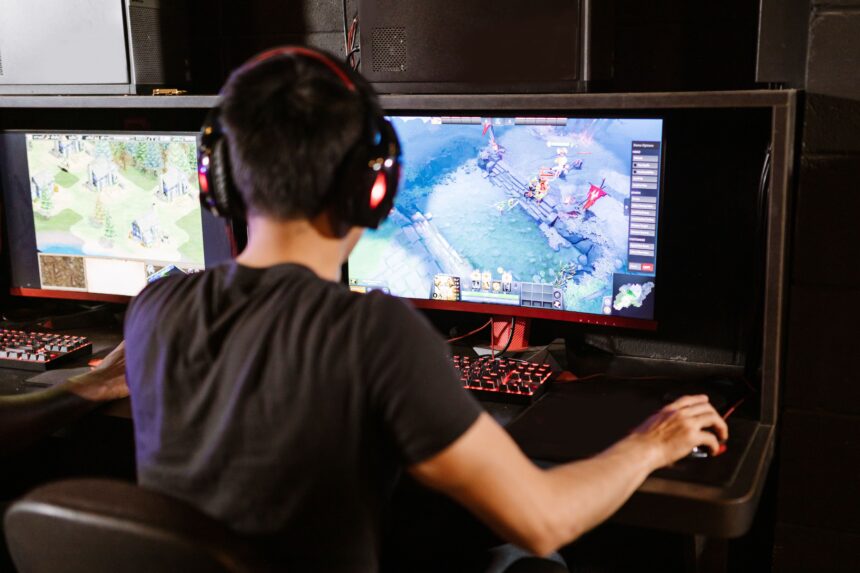

Game streaming culture is the habit of watching other people play video games live or on video, and it has become a hobby in its own right. People tune in for company, entertainment, learning and a sense of community. It has also changed how games are marketed, discovered and even designed.
How Game Streaming Culture Became Part of Everyday Life
Imagine explaining this to someone from twenty years ago. “So you spend your evening watching a stranger play a game you could play yourself?” It sounds absurd, until you try it and realize you have been doing it for three hours.
Watching games has quietly become one of the most popular ways to enjoy them. To understand why, we need to look at where it came from and what it gives people that playing alone cannot.
From Arcade Crowds to Live Chat
Watching other people play is older than the internet. In arcades, crowds gathered behind a skilled player, cheering at a high score or groaning at a missed jump. At home, siblings passed the controller back and forth, and the one waiting for a turn was still part of the experience.
Online video turned that old habit into something global. Early gameplay videos, walkthroughs and recorded runs let people see a game before buying it, learn tricks or simply enjoy someone else’s skill.
Then live streaming added the missing ingredient: presence. Platforms like Twitch, which launched in 2011 and was later acquired by Amazon, let viewers watch in real time and talk to the player and to each other. Suddenly it was not just a video. It was a room full of people sharing the same moment.
Other platforms followed, and video sites built their own live gaming features. Today streamers broadcast from bedrooms, studios and even phones, reaching audiences of every size.
The live chat is what makes the difference. A joke lands, a boss falls, a mistake happens, and thousands of people react together in seconds. That shared reaction is the heart of the whole culture.
Why Viewers Keep Coming Back
People watch streams for many reasons, and most of them have little to do with the game itself.
Some come for entertainment. A skilled or funny streamer is like a favorite television host, and the game is simply the stage. Others come for learning, watching experts handle strategies, speedruns or tricky bosses. Many come for company, using a stream as background warmth while they cook, study or work.
There is also the pure pleasure of discovery. Watching a game before buying it removes much of the risk, and plenty of people have found their next favorite title from a stranger’s recommendation.
And for a lot of viewers, the real draw is the community. Regular chatters recognize each other’s names, share inside jokes and celebrate milestones together. For people who feel isolated, that sense of belonging can matter enormously.
It is worth noticing that none of these reasons require the viewer to be a hardcore gamer. Many people who rarely play still watch regularly, which is one reason the audience grew so wide.
The Strange Intimacy of the Stream
Streaming creates an odd kind of closeness. A viewer might spend hundreds of hours with someone they have never met, listening to their stories, hearing about their day and watching them fail and succeed.
This is often called a parasocial relationship: a one-sided bond where the viewer feels they know the creator, while the creator cannot possibly know each viewer individually. It is not inherently unhealthy. We form similar feelings toward authors, musicians and television personalities.
But the intimacy of live streaming makes it stronger than most. The creator talks directly to the audience, responds to messages and shares real emotions in real time. It can feel like friendship, even when the relationship is lopsided.
Understanding this helps explain both the warmth and the problems of the culture, as we will see later.
Streamers as the New Gatekeepers
For the industry, streaming created a powerful new force. A single popular streamer can turn an unknown game into a sensation in a matter of days. Small indie developers have woken up to waves of new players after one big creator tried their game.
Publishers noticed quickly. Marketing budgets shifted toward creators, early access keys flowed to streamers and some games were built with streaming in mind from the start.
That has changed what makes a game successful. It is no longer enough for a game to be fun to play. It also helps if it is fun to watch.
What Streaming Is Doing to Games, Players and Creators
The influence of streaming goes far beyond who gets famous. It has begun to shape the design of games, the habits of players and the lives of the people who broadcast for a living.
Games Designed to Be Watched
Some of the most popular games of recent years succeed partly because they make great viewing. Think of games full of chaotic physics, unpredictable social deduction, tense survival moments or open-ended creativity. They generate stories and reactions that audiences love.
Developers have learned from this. Many now think about spectator appeal during design. Features like easy-to-follow action, dramatic moments, readable interfaces and tools for viewers to take part, such as voting or influencing events, are becoming more common.
This can lead to wonderful creativity. A game where viewers help or sabotage the player turns passive watching into a shared experience.
But there is a risk. If every game starts chasing what looks good on a stream, we may lose quieter, slower and more personal experiences that do not translate well to a broadcast. A thoughtful story game, for example, may struggle to compete for attention with a loud and chaotic one.
Streaming and Spoilers
Streaming also changed how we feel about story. When a popular game releases, spoilers spread within hours through clips, highlights and chat. Some players deliberately avoid streams to protect the surprise.
Others have discovered that watching a story game does not ruin it. Many people watch a full playthrough and still buy the game later, because playing it themselves is a different experience than watching someone else make the choices.
This raises an interesting question about what we value in games. If watching can satisfy the story, what does the playing add? The answer is usually agency: the feeling that your own decisions, mistakes and discoveries shaped what happened.
Streaming Culture at a Glance
It can help to compare the three main ways people experience a game, since each offers something different.
| Experience | What You Get | What You Give Up | Best For |
|---|---|---|---|
| Playing yourself | Full control, personal choices and mastery | Time, money and effort | Deep, hands-on enjoyment |
| Watching live | Community, shared reactions and entertainment | Control over what happens | Social, relaxed viewing |
| Watching recorded video | Convenience, guides and previews | Real-time interaction | Learning and decision-making |
None of these replaces the others. Many people move between all three in a single week, playing one game, watching another and learning from a third.
The Hidden Labor Behind the Screen
It is easy to see streaming as an easy dream job: play games, chat with friends, earn money. The reality is very different.
Successful streamers often work long, irregular hours. They need to be entertaining on camera, manage chat, edit videos, post on social media, handle sponsors and keep up with trends. Income can be unpredictable, and for most people, it is small or nonexistent.
The pressure to be constantly available can be intense. Audiences may expect near-daily broadcasts, and taking time off can feel risky when attention fades quickly.
Some common challenges creators face include:
- Burnout from nonstop schedules and the pressure to perform
- Harassment from a small number of hostile viewers
- Income instability, since earnings depend on algorithms, sponsors and audience mood
- Loss of privacy, as personal lives become public content
- Platform dependence, because changes to rules or revenue splits can upend a career overnight
These are real human costs, and they deserve more attention than they usually get. Behind every cheerful broadcast is a person managing a demanding job.
The Dark Side: Toxicity and Unhealthy Habits
Communities built on live chat can be warm, but they can also turn harsh. Large chats move fast, and moderation is difficult. Trolling, pile-ons and hateful language can spread quickly if nobody steps in.
Streaming can also feed unhealthy habits for viewers. It is easy to lose entire evenings to a stream, and some people use it to avoid real-world problems. Others feel pressure to subscribe, donate or stay constantly present to keep their place in a community.
Some features are designed to encourage this: countdown timers, limited-time rewards, public recognition for donors and other tools that reward spending and constant attention. Used lightly, they are harmless fun. Used heavily, they can become a trap.
If you notice that watching leaves you more tired than refreshed, or that you spend money you cannot comfortably afford, it may be time to step back. A healthy relationship with streaming should add something good to your life, not crowd it out.
Streaming and the Question of Value
There is a fascinating economic side to all this. Viewers are not just consumers. They are an audience being sold to, and they are also a community creating value for the platform and the creator.
When people tip, subscribe or buy merchandise, they often feel they are supporting a friend rather than buying a product. That emotional connection is powerful, and it is why creator economies have grown so large.
But it also raises ethical questions. Who benefits most from this attention: the creator, the platform or the game’s publisher? How transparent are sponsorships? Do viewers always know when a recommendation is paid for?
Good creators are open about these things, and healthy platforms make rules clear. As viewers, we can help by asking questions and rewarding honesty.
Tips for a Healthier Streaming Habit
Streaming does not need to be a problem. A few simple habits can keep it enjoyable:
- Set a time limit so a quick visit does not swallow your evening
- Follow creators you genuinely like, not just whoever is trending
- Take breaks and balance watching with playing, moving and seeing real people
- Be kind in chat, remembering there is a real person on the other side
- Spend deliberately, giving only what you can comfortably afford
- Check sponsorship disclosures if a recommendation influences your purchases
These small choices make a big difference. They keep streaming as a source of joy instead of a source of pressure.
Where Streaming Culture Is Heading
The future will likely bring more of everything. More platforms, more formats and more ways for audiences to take part. Interactive broadcasts, shorter clips, community events and games designed around shared viewing are all growing.
The industry will keep adapting too. Developers will continue designing with audiences in mind, and platforms will keep changing rules, features and revenue models.
The big question is whether the culture can stay human. At its best, streaming offers connection, learning and joy. At its worst, it can encourage burnout, exploitation and endless consumption. Which direction it goes depends on creators, platforms and viewers alike.
One thing seems certain: watching games is no longer a strange side hobby. It is a central part of how a huge number of people experience gaming culture.
Frequently Asked Questions About Game Streaming Culture
What is game streaming? Game streaming is broadcasting yourself playing a video game, usually live, so that viewers can watch and chat in real time. Many streams are also saved as videos that people can watch later.
Why do people watch others play games? People watch for entertainment, learning, company, discovery and community. Many also enjoy the shared excitement of reacting together in live chat.
Is watching streams a waste of time? Not necessarily. For many people it is relaxing, social and educational. It becomes a problem only when it replaces other important parts of life or leaves you feeling worse afterward.
How do streamers make money? Common sources include viewer subscriptions, donations, advertising, sponsorships and merchandise. Earnings vary enormously, and most streamers earn little or nothing from it.
Does streaming hurt game sales? Usually it helps, since streams work as free advertising and let people discover games. Story-heavy games may worry about spoilers, but many players still buy a game after watching it.
What is a parasocial relationship? It is a one-sided bond in which a viewer feels they know a creator personally, although the creator cannot know each viewer individually. It is common and not automatically harmful, but it helps to stay aware of it.
How can I start streaming? Begin with a game you enjoy, a reliable internet connection and free broadcasting software. Choose a platform, set a regular schedule and focus on enjoying yourself. Growth is usually slow, so patience matters more than equipment.
Conclusion: We Watch Because We Want to Belong
Game streaming culture grew because it offers something simple and deeply human: company. Watching someone else play lets us share moments, laugh together and feel part of something, even when we are sitting alone in a quiet room.
It has also reshaped the industry, changing how games are marketed, designed and discovered. That brings wonderful opportunities and real risks, from creator burnout to the pressure of constant engagement.
The best way forward is a thoughtful one. Support creators you love, treat chat communities with kindness, spend carefully and keep a healthy balance with the rest of life.
Because in the end, the screen is just a window. What matters is the warmth that comes through it, and the feeling that, for a little while, we were all in the same room.