
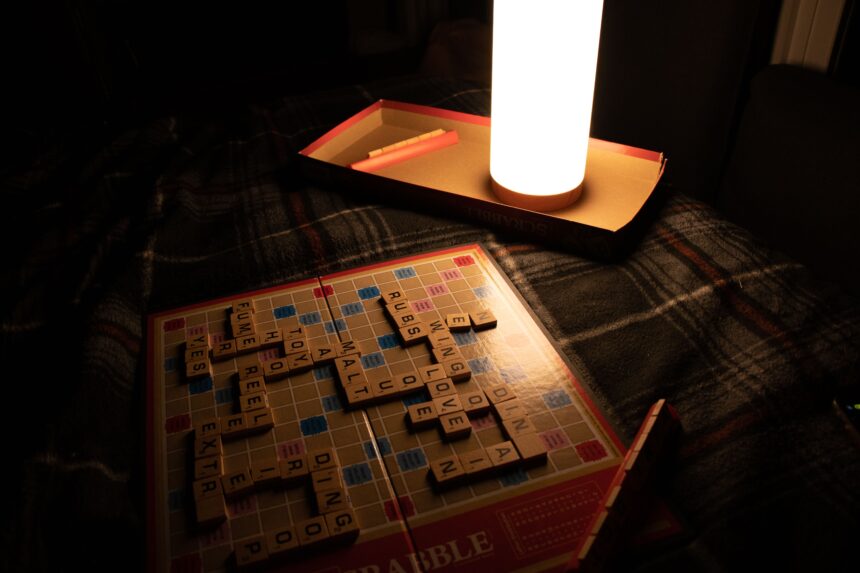

Cozy games took over because players are tired, and these games finally gave them permission to rest. They offer low pressure, gentle goals and a sense of control that daily life rarely provides. What started as a niche has become one of the most important shifts in modern gaming culture.
How Cozy Games Went From Niche to Mainstream
Ten years ago, if you told a publisher your game had no combat, no timer and no way to lose, you would have gotten a polite smile and a quiet goodbye. Today that same pitch can fill a storefront front page. So what changed?
The short answer: both the audience and the culture around games grew up. The longer answer is a story about farms, islands and a very strange year.
The Quiet Roots of the Genre
Cozy games did not appear out of nowhere. Life simulators and farming games have been around for decades, and series like Harvest Moon proved long ago that people enjoy watering virtual crops. Titles in the Animal Crossing family built a loyal following on the idea that checking in on a small world every day could be a pleasure instead of a chore.
These games were always popular with a certain crowd, but they sat on the edge of the conversation. They were rarely called “serious” games, and the loud parts of gaming culture mostly ignored them.
Then Stardew Valley arrived in 2016, built almost entirely by one developer, Eric Barone. It showed that a gentle, handmade game about farming, friendship and slow progress could reach a huge audience. It also gave indie developers a blueprint: you do not need a giant budget to make something people love deeply.
The lesson stuck. Small teams started making games about baking, gardening, tidying rooms, running tea shops and caring for tiny creatures.
The 2020 Turning Point
The real explosion came in 2020. When Animal Crossing: New Horizons launched in March of that year, much of the world was staying home. People were anxious, isolated and glued to the news.
Suddenly a game about fishing, decorating an island and chatting with cartoon neighbors felt less like a pastime and more like a small mercy. Players held virtual birthday parties, weddings and even graduations on their islands. Games became a place to be together when everything else was closed.
That moment changed how many people saw the genre. Friends who had never touched a console were swapping turnip prices. Parents and grandparents were playing. Journalists who normally covered big shooters were writing about island design.
After that, the word “cozy” stopped being a footnote and became a marketing category. Storefronts added tags for it. Festivals showcased it. Developers began openly building for it.
And importantly, the audience did not vanish when lockdowns ended. Many players discovered they actually preferred this style of play, and they stayed.
What Cozy Games Really Give Players
It is tempting to dismiss cozy games as “easy mode for people who don’t like challenge.” That misses the point entirely. These games are not designed around the absence of difficulty. They are designed around a different kind of reward.
To see why they work, it helps to look at what they do differently from traditional games.
The Design Ingredients of a Cozy Game
Most cozy games share a recognizable set of traits. They are not rules, but you will spot them again and again once you know where to look.
| Design Element | Traditional Game | Cozy Game |
|---|---|---|
| Failure | Punishing, often the core loop | Minimal or removed entirely |
| Pacing | Driven by urgency and timers | Driven by the player’s own rhythm |
| Goals | Win, conquer, rank up | Build, tend, decorate, connect |
| Tone | Tense, dramatic, competitive | Warm, soft, reassuring |
| Progress | Measured against others | Measured against yesterday |
Look closely at that last row. In a cozy game, you compete with no one. There is no leaderboard shaming you for a bad day. Your farm, your cafe or your garden is yours, and it grows at the speed you decide.
Other common ingredients include:
- Soft, inviting visuals with warm colors and rounded shapes
- Gentle music that fades into the background instead of demanding attention
- Small, repeatable tasks like watering plants or sorting items, which create a calming rhythm
- Characters who are kind, even when they are quirky or flawed
- A sense of a world that welcomes you back, no matter how long you were away
That last point matters more than it seems. Many modern games quietly punish absence with expiring events, daily login pressure and the fear of falling behind. Cozy games tend to do the opposite. They say: take your time, we will be here.
Why That Feels So Good Right Now
Part of the appeal is simple psychology. When life feels chaotic, a space where effort reliably leads to a visible result is deeply comforting. You plant a seed, it grows. You clean a room, it looks better. The cause and effect is clear in a way that work, news and relationships often are not.
There is also the matter of burnout. Plenty of adults spend their days solving problems, answering messages and meeting expectations. Coming home to a game that demands even more intensity can feel like a second job.
A cozy game asks for attention without asking for stress. It lets the nervous system settle. Many players describe it as the digital version of a warm blanket and a cup of tea.
It is worth being careful here. Cozy games are not therapy, and nobody should expect a farming sim to replace real support when things are hard. But as a small daily ritual that helps people unwind, they clearly fill a real need.
They also broadened who feels welcome in gaming. For years, the culture around games assumed a narrow type of player. Cozy games opened the door to people who never saw themselves in that picture, including many women, older players and people who simply dislike violence.
When a hobby that once felt closed suddenly feels friendly, it grows. That is exactly what happened here.
What It Means for the Industry
Publishers noticed. It is not a coincidence that the number of cozy releases has climbed so quickly: the genre is relatively cheap to make, loyal to its fans and long-lived. A well-loved cozy game can keep finding new players for years, which is rare in a market obsessed with launch-week numbers.
But success brings risk. As the label grows more profitable, some studios slap “cozy” on anything with pastel colors, even when the game underneath is full of grind, timers and monetization hooks. Players have started to notice, and they are not shy about calling it out.
The healthiest version of the trend is one where developers treat coziness as a design philosophy, not a sticker. That means respecting the player’s time, avoiding manipulative loops and letting people enjoy the world without being rushed.
There is a creative upside too. Because cozy games do not rely on combat, developers are free to explore unusual themes: grief, memory, small-town life, the quiet drama of everyday objects. Some of the most emotionally interesting games of recent years live in this space, precisely because they are not busy trying to be exciting.
Frequently Asked Questions About Cozy Games
What are cozy games? Cozy games are low-stress games built around comfort, creativity and gentle progress. They usually avoid violence, harsh failure and time pressure, and focus on activities like farming, decorating, cooking or caring for characters.
Why are cozy games so popular right now? Several things came together: widespread burnout, the isolation of 2020, the success of indie hits like Stardew Valley and the growth of a more diverse player base. Many people simply want a game that relaxes them instead of testing them.
Are cozy games only for casual players? Not at all. Many cozy games have surprising depth, from complex farm optimization to detailed crafting systems. The difference is that the challenge is optional and self-directed rather than forced on you.
Do cozy games help with stress? Many players say they do, and the calming pace and predictable rewards make that easy to believe. Still, they are a relaxing hobby, not a medical treatment. If stress or anxiety feels overwhelming, talking to a professional is the right step.
Will the cozy trend last? Probably, in some form. The genre has already outlived the moment that made it famous, and it keeps attracting new creators. The real question is whether the industry keeps the spirit of the genre or just the aesthetic.
What is a good cozy game to start with? Stardew Valley and Animal Crossing: New Horizons are the classic entry points. If you want something smaller and quieter, look for short indie titles tagged as cozy or relaxing and read a few player reviews first.
Conclusion: Rest Is Not a Weakness
The rise of cozy games tells us something simple and a little profound: people want to feel safe and at ease in the worlds they choose to spend time in. After years of games built around speed, rivalry and constant engagement, many players are choosing a slower path.
That is not a rejection of challenge or competition. Those games will always have their place. It is a sign that the hobby is big enough to hold both the thrill of a boss fight and the quiet joy of a tidy little garden.
If you have never tried a cozy game, give one a chance. Pick something small, play it at your own pace and notice how it feels. You might find that the most radical thing a game can do is let you breathe.