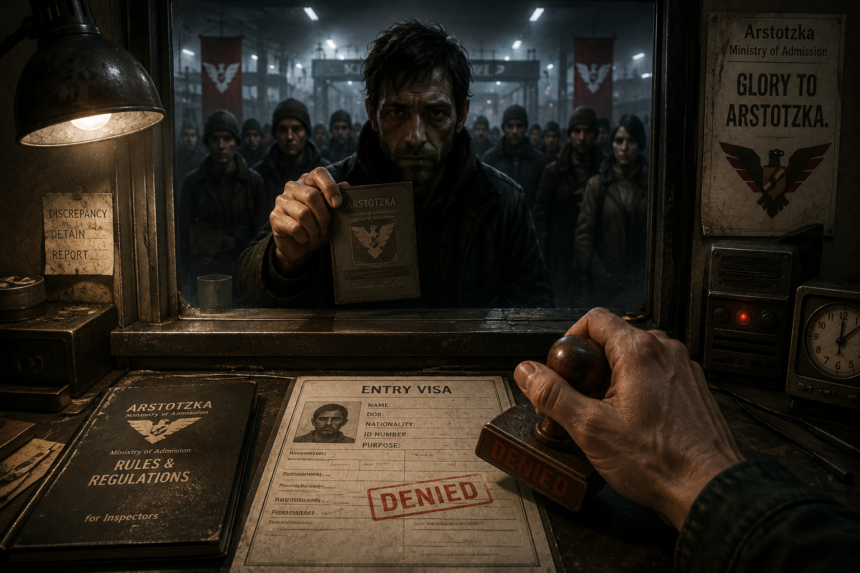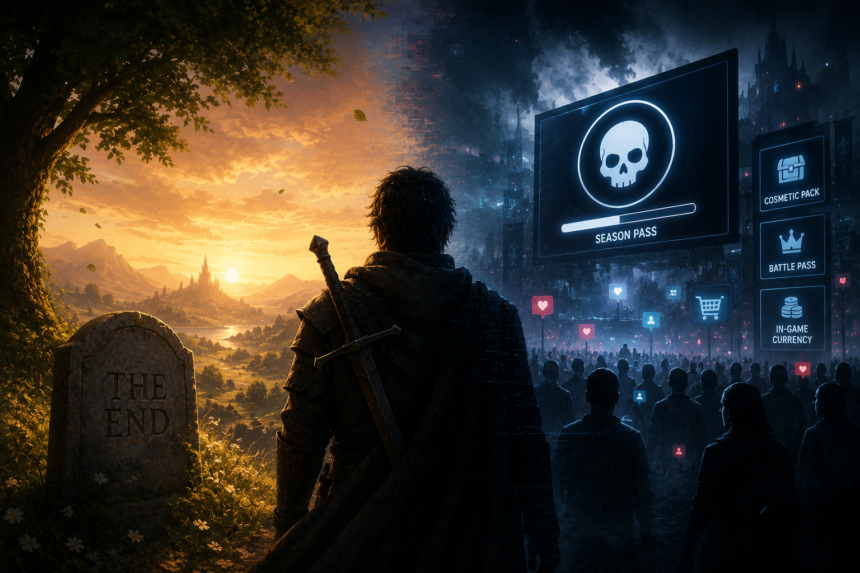


Early access games are unfinished games sold to players while development continues. The model can fund great projects and shape them with real feedback, but it can also leave buyers holding broken or abandoned products. Knowing how it works helps you decide when it is worth the risk.
How Early Access Games Changed the Way Games Get Made
There was a time when a game stayed hidden until the day it launched. Developers worked in private, testers signed agreements and players saw nothing until a box appeared on a shelf.
Today, many of the most talked-about games are on sale while they are still being built. That shift has changed how developers work, how players spend and what we expect “finished” to even mean.
Where the Early Access Idea Came From
Letting players try unfinished games is not brand new. Beta tests have existed for decades, usually limited to a lucky group of invited fans. Some indie developers also sold early versions of their projects directly to supporters, trading money for a chance to join the journey.
Then a few breakout successes showed what could happen when a game grew in public. Minecraft, which was sold in an unfinished state while the creator kept adding features, proved that people would happily pay for a work in progress if they believed in it.
In 2013, Steam launched its Early Access program, giving developers a formal way to sell unfinished games on a major storefront. It made the model visible, easy and mainstream. Other platforms soon created their own versions.
Suddenly any small team with a prototype and a dream could reach a global audience, and players could watch their favorite projects grow week by week.
Why Developers Choose Early Access
For developers, the appeal is clear and often practical.
The most obvious reason is funding. Making a game costs money, and early sales can pay salaries, tools and servers while the game is still being built. For small studios, that income can make the difference between finishing and quitting.
The second reason is feedback. Thousands of players find bugs, balance problems and design flaws that a small test team would never catch. Instead of guessing what players want, developers can watch what they do and listen to what they say.
The third is community. Players who join early often feel a sense of ownership. They share ideas, spread the word and cheer when updates arrive. A loyal community can become the strongest marketing a small team has.
And finally, early access can reduce risk. If an idea is not working, a studio finds out early, before spending years on something nobody wants.
Why Players Like It
For players, the benefits are just as real.
There is the thrill of being part of the process. Watching a game improve, seeing your suggestion appear in an update and feeling that you helped shape it can be deeply satisfying.
There is also access. You can play promising games months or even years before they officially launch, often at a lower price than the final version.
And for fans of niche genres, early access can be a lifeline. Games that big publishers would never fund, such as deep strategy games, strange survival simulators and experimental indie projects, can find their audience this way.
Finally, there is a sense of discovery. Playing a game while it is still raw and surprising, before the internet has dissected every secret, has a special kind of magic.
The Success Stories
Some of the best-loved games of the last decade spent time in early access. Several deckbuilders, survival games, roguelikes and strategy titles grew through it, polishing their designs with the help of thousands of players.
What these successes have in common is clear communication and steady progress. The developers explained their plans, delivered updates regularly and responded honestly to feedback. Players could see the game improving, which built trust.
They also had a strong core idea from the start. The early version was already fun, even if it was rough. Updates made it better instead of trying to rescue it.
That is the pattern to look for when judging any early access game, as we will explore below.
The Risks, the Rewards and How to Buy Smartly
Early access can be wonderful, but it is not magic. The same model that produces beloved games also produces disappointment, and players deserve an honest picture of both.
When Early Access Goes Wrong
For every success story, there are cautionary tales. Some games launch in early access with big promises, then slow down, change direction or disappear entirely. Players who paid are left with an unfinished product and no clear answer.
Sometimes the cause is simple: a small team runs out of money, burns out or loses interest. Other times, the project grows bigger than the team can handle. Occasionally, a game arrives in early access with little real substance, hoping hype will carry it.
There is also the problem of never finishing. Some games stay in early access for years, quietly turning into permanent works in progress. Players are never sure whether the game is complete, abandoned or somewhere in between.
And then there is the emotional cost. Investing time and hope in something that fades away can feel like a small betrayal, even when nobody intended it.
It is worth remembering that most early access developers are honest people trying hard with limited resources. But good intentions do not guarantee a good outcome, so buyers should stay realistic.
Early Access Compared With Other Ways to Buy
To see where early access fits, it helps to compare it with the other common options.
| Option | What You Get | Main Advantage | Main Risk |
|---|---|---|---|
| Early access | Unfinished game, often discounted | Influence and early play | Bugs, delays or abandonment |
| Full release | Finished game, full price | Complete experience from day one | Paying before reviews catch problems |
| Waiting for a sale | Finished game, lower price | Savings and more information | Missing the early community moment |
| Subscription library | Access while you subscribe | Low risk, wide variety | No ownership |
None of these is automatically best. Early access suits players who enjoy the journey and accept uncertainty. If you only want a polished finished product, waiting is usually the wiser choice.
Warning Signs to Watch For
A little research can save a lot of disappointment. Before buying, look out for these red flags:
- Vague promises with no clear plans or timelines
- No playable content worth the price today
- Long silence from the developers since the last update
- Defensive responses to criticism and feedback
- Heavy focus on future features instead of what already works
- Unrealistic ambitions from a very small team
- Recent reviews that are far worse than older ones
No single warning sign means a game is doomed. But several together are worth taking seriously.
Green Flags That Signal a Healthy Project
The opposite matters just as much. Good early access games tend to show clear signs of health:
- A fun core experience that already works today
- A public roadmap that is honest and flexible
- Regular, meaningful updates that fix and improve things
- Open communication about problems and delays
- Reasonable scope for the size of the team
- Active, constructive community discussion
- Fair pricing that reflects the current state
When you see these signs, the odds improve a lot. You are not just buying a game. You are joining a project that respects its audience.
The Ethics of Selling Unfinished Work
Early access raises a genuinely interesting ethical question. Is it fair to ask players to pay for something incomplete, and to rely on them for testing?
Supporters say yes, as long as everyone knows what they are buying. The store pages warn that the game is unfinished, and players choose to take part. In return, they get a lower price, early access and real influence.
Critics worry that the model can blur the line between product and promise. When a game is sold on potential, buyers may not fully understand the risks, especially younger or less experienced players.
The healthiest approach is honesty on both sides. Developers should describe their games truthfully and avoid overpromising. Players should treat early access as support for a project, not a guaranteed purchase of a finished product.
Platforms play a role too, by requiring clear warnings, fair refund policies and honest descriptions.
Early Access Beyond Indie Games
The model has spread beyond small studios. Larger companies have experimented with early access, betas and paid previews for big projects. Some of these have been well received, while others have drawn criticism for charging full prices for unfinished experiences.
This raises a different question. When a big publisher with huge resources releases something clearly unready, is that early access or simply an unfinished launch? Many players feel the difference matters, and the label alone should not excuse rough products.
At the same time, big studios can use early access responsibly, treating it as a real collaboration with fans. The best examples listen, adapt and communicate openly.
The lesson is that the label does not decide quality. Behavior does.
How Early Access Is Changing Game Design
The model has quietly changed how games are built. Because developers can adjust after launch, many games now start with a smaller, focused version and expand over time.
This can lead to leaner, more thoughtful design. Features are tested before being expanded, and ideas that do not work are dropped early. It can also create games that feel more connected to their communities.
But there is a downside. When a project is constantly changing, players may find their favorite strategies broken by updates, or content they loved removed. Balancing change with stability is a delicate art.
There is also a subtle pressure to design for engagement rather than completeness. A game that stays in development forever can keep people subscribed and buying, but it may never deliver the satisfying, finished experience that many players want.
As players, we can encourage the healthier path by rewarding games that know when they are done.
Smart Ways to Buy Into Early Access
If you want to enjoy early access without regrets, a few habits help:
- Read recent reviews, not just overall scores, to see how the game feels today
- Watch gameplay videos to judge the current quality
- Check the developer’s history and how they handled past projects
- Only buy what you would enjoy today, not what you hope it will become
- Use refund policies if the game does not fit your expectations
- Set a budget so one disappointment does not hurt too much
- Wait if unsure, since many games remain available and cheaper later
The golden rule is simple: buy early access games you would be happy to own exactly as they are right now. Anything extra is a bonus.
Where Early Access Is Heading
The model is likely here to stay. Developers need funding and feedback, and players enjoy being part of the journey. Platforms will keep refining their rules, and communities will keep becoming smarter about spotting risks.
We may see clearer standards, better refund systems and more honest labeling. We may also see new ways of sharing development, such as public roadmaps, open design discussions and regular progress reports.
What matters most is that the culture stays healthy. At its best, early access is a partnership between creators and players. At its worst, it is a way to shift risk onto the audience. The difference depends on honesty, communication and respect.
Frequently Asked Questions About Early Access Games
What does early access mean? Early access means a game is available to buy and play before it is finished. The developers continue improving it, usually with updates based on player feedback.
Is early access worth it? Often, yes, if you enjoy the game as it is today and like supporting its development. It is less worthwhile if you want a polished, complete experience.
Can I get a refund on an early access game? Many platforms have refund policies, often based on playtime and how recently you bought the game. Rules vary, so check the store’s policy before purchasing.
Do early access games ever get finished? Many do and become full releases, sometimes after years of updates. Others stay unfinished or are abandoned, which is why researching the developer matters.
How long do games usually stay in early access? It varies widely. Some are finished within a year, while others take several years. Developers often give estimates, but plans can change.
Are early access games cheaper? Often they cost less than the final release, but not always. Prices may rise as the game gains content, so buying early can sometimes save money.
How can I tell if an early access game is trustworthy? Look for clear communication, regular updates, honest roadmaps, recent positive reviews and a fun core experience that already works. Be cautious about vague promises and long silences.
Conclusion: Buy the Game That Exists, Support the One You Believe In
Early access has changed gaming for the better in many ways. It has funded creative projects, connected developers with players and helped great games grow in the open. It has also created real risks, from broken promises to unfinished products.
The key is to approach it with open eyes. Treat early access as a way of supporting creators and taking part in a journey, not as a guaranteed shortcut to a finished game.
If you do your research, buy only what you enjoy today and stay patient, you can have wonderful experiences. And if you prefer your games finished and polished, there is no shame in waiting.
In the end, the best games, early or finished, come from creators who respect their players and players who respect the work that goes into making them.