
There is a strange, almost embarrassing habit that many players share. With hundreds of unplayed games waiting, with new releases arriving every week, we choose instead to load up something we have already finished five times. We know every level, every twist, every secret. And still we return, like visiting an old neighborhood, to walk streets we have walked before. Why? Why do we replay video games we have already beaten when novelty is only a click away?
This essay explores the psychology of the replay: the comfort of familiar worlds, the pull of nostalgia, the deep satisfaction of mastery, and what our habit of returning says about why we play at all.
Key Takeaways
- Replaying video games offers comfort and low-stakes relaxation, because a known world removes the anxiety of the unfamiliar.
- Nostalgia lets us reconnect not just with a game but with the person we were when we first played it.
- Returning to a mastered game shifts the pleasure from discovery to skill, expression, and flow.
- Rich games reveal new details on repeat playthroughs, so familiarity can deepen rather than diminish them.
- The replay reflects a truth about play: fun is not only about novelty but about relationship with a world.
The Comfort of a World You Already Know
The most immediate reason we replay games is comfort. A new game, however exciting, comes with friction. You have to learn its controls, understand its systems, figure out where to go and what matters. That learning is a big part of the fun, but it is also work, and it carries a low hum of uncertainty. Will this game be good? Am I playing it right? What if I get stuck?
A game you have beaten removes all of that. You know exactly what to expect. You can sink into it the way you sink into a familiar chair. Psychologists talk about the appeal of predictability when we are stressed or tired, and a known game is about as predictable a pleasure as entertainment offers. There is no risk of a bad ending you did not see coming, no wasted evening on something that turns out to be mediocre. You are guaranteed a good time, because you have had it before.
This is why so many people return to comfort games during hard periods of their lives, after a breakup, during illness, in the anxious stretch of a stressful job. The familiar world asks nothing of you emotionally that you have not already agreed to. It is a safe place, and safety has enormous value.
Nostalgia: Returning to Who You Were
Replaying an old game is a form of time travel. When you boot up something you first played at thirteen, you are not only revisiting the game. You are revisiting the version of yourself who played it, the bedroom you played it in, the friends you talked about it with, the season of life it belonged to. The game is a doorway to a self you cannot otherwise reach.
This is why the games we most love to replay are often not the objectively best games we have played but the ones tangled up with important moments. Nostalgia is not really about the software; it is about the memories the software carries. A dated graphics engine and clunky controls can still deliver a wave of feeling, because what you are actually reloading is a piece of your own past. In an ever-accelerating world, returning to a formative game is a way of touching base with where you came from.
From Discovery to Mastery
The first time through a game, the pleasure is discovery: what happens next, what is over that hill, how does this story end. But discovery is a one-time gift. Once you know, you cannot un-know. So why does the game remain fun?
Because the second kind of pleasure, mastery, only begins once discovery is exhausted. When you already know a game, you stop being a tourist and start being a virtuoso. You can execute the perfect run, experiment with a harder difficulty, impose self-imposed challenges, or simply move through the world with the fluid confidence of an expert. This is the deep satisfaction of a musician playing a piece they have played a thousand times, finding new expression in total familiarity.
The flow of the known
Mastery also unlocks flow, that state of effortless absorption where challenge and skill are perfectly balanced. On a first playthrough you are often slightly overwhelmed. On a fifth, you are in command, and the game becomes a kind of dance. Speedrunners live at the extreme end of this pleasure, but every replayer tastes it. There is a specific joy in doing a familiar thing well, and a beaten game is a stage built precisely for that joy.
Great Games Reward the Return
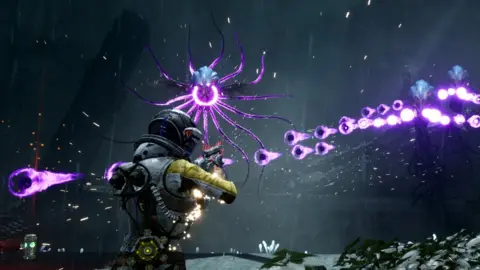
There is also a simple, generous truth: the best games are too rich to fully absorb in one pass. A dense RPG, a layered immersive sim, or a story packed with foreshadowing will hand you new things every time you return. On a replay you notice the clue you missed, the line of dialogue that means something different now that you know the ending, the path you never explored.
In this sense, replaying is not repetition at all. It is re-reading. We do not consider it strange to read a beloved novel twice or watch a favorite film again, precisely because we expect to find more in it. Games, being larger and more interactive than either, often reward return even more. Familiarity does not exhaust them; it reveals them.
What the Habit Says About Why We Play
The replay quietly corrects a common misconception: that games are consumed, finished, and discarded, like a puzzle solved and put back in the box. If that were true, we would never return. The fact that we do suggests something warmer. We do not just complete games; we form relationships with their worlds. We return to them the way we return to a favorite trail, a hometown, a piece of music, not for novelty but for the particular pleasure of a place that knows us.
This reframes the whole activity. The value of a game is not used up when the credits roll. A truly good game becomes a place you can go back to, and the going back is not a failure of imagination or a lack of new options. It is one of the deepest compliments a work can receive, and one of the truest pleasures the medium offers.
Conclusion
We replay video games we have already beaten for the same reasons we reread books, rewatch films, and revisit the places that shaped us: for comfort, for memory, for the joy of mastery, and for the quiet richness that only familiarity reveals. Far from being a waste of time in a world overflowing with new releases, the replay is a small act of loyalty to the worlds that have meant something to us. And loyalty, it turns out, is one of the most rewarding ways there is to play.
Frequently Asked Questions
Why do people replay games they have already finished?
People replay finished video games for comfort, nostalgia, and mastery. A known world is relaxing because it removes uncertainty, old games reconnect us with our past selves, and returning to a game we have mastered shifts the fun from discovery to skillful, flow-like play. Rich games also reveal new details on repeat playthroughs.
Is replaying video games a waste of time?
Not at all. Replaying is comparable to rereading a favorite book or rewatching a film. It provides genuine value through relaxation, emotional connection, skill expression, and the discovery of details missed the first time. The worth of a good game is not used up when you finish it once.
Why do old games feel so comforting to replay?
Old games feel comforting because they are predictable and tied to memory. Their familiar worlds ask nothing unexpected of you, which is soothing during stress, and they act as doorways to the time and place in your life when you first played them, delivering a powerful sense of nostalgia.
What is the psychology behind replaying games?
The psychology involves several factors: the stress-reducing appeal of predictability, nostalgia’s link between media and personal memory, and the satisfaction of mastery and flow that comes from performing a familiar activity with expertise. Together these explain why known games remain rewarding long after the first playthrough.
Do you notice new things when replaying a game?
Yes, especially in narratively or mechanically rich games. On a replay you often catch foreshadowing, dialogue that reads differently once you know the ending, and areas or systems you overlooked. This is why many players compare replaying to rereading, since familiarity can deepen rather than diminish a great game.
Which types of games are best for replaying?
Games with deep systems, branching choices, strong stories, or high skill ceilings tend to reward replays most. Role-playing games, immersive sims, roguelikes, and tightly designed action or platforming games all offer new experiences on return, whether through different builds, missed details, or the pursuit of mastery.