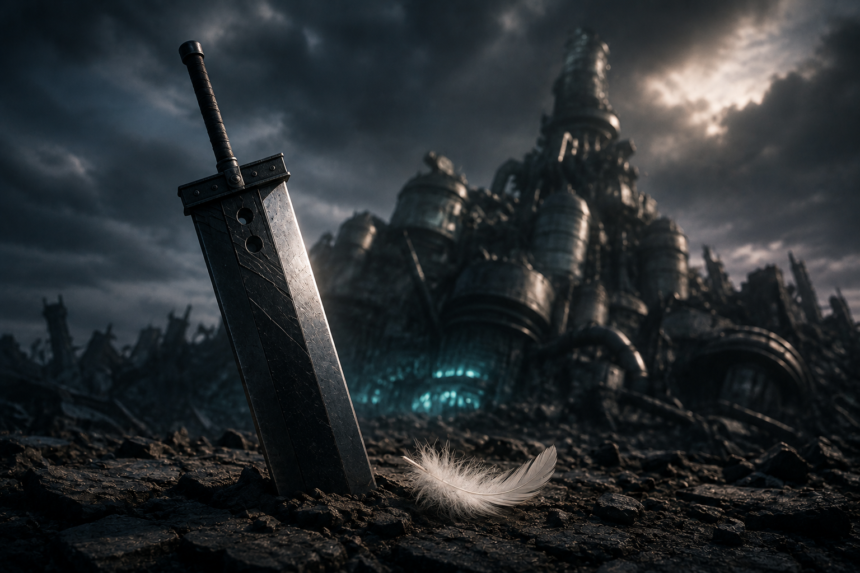

Sephiroth is arguably the most famous villain in the history of video games, a silver-haired swordsman whose single defining act has echoed through the medium for decades. What is remarkable is how much of his power comes not from screen time but from myth. In the original Final Fantasy VII, Sephiroth is barely present as an active character; he is mostly a memory, a rumor, a shadow the heroes chase. And yet he looms over everything. He is proof that a villain built out of legend, dread, and a handful of unforgettable moments can outlast far more elaborate antagonists. We keep rebuilding the myth of Sephiroth because the myth is the point.
This Sephiroth character analysis unpacks his motivation, why he became gaming’s iconic villain, the meaning of his transformation into the One-Winged Angel, how the Remake reframes a character everyone already thinks they know, and why he still shapes how the industry designs villains today.
Key Takeaways
- Sephiroth derives his power largely from myth and absence, looming over the story more as a legend than an active presence.
- His fall stems from discovering the truth about his origins, twisting a revered hero into a being who rejects humanity.
- A single infamous act cemented him as an emotional force, giving his threat lasting personal weight.
- The One-Winged Angel transformation and its iconic music turned him into a mythic, almost godlike figure.
- The Remake reframes Sephiroth by making him more present and self-aware, playing on the audience’s existing knowledge.
- His design and construction influenced a generation of villains that came after him, even outside of Final Fantasy.
The Hero Who Learned What He Was
To understand Sephiroth, you have to understand who he was before his fall. He was not born a villain. He was the most celebrated soldier of his generation, an admired war hero and a figure of near-legendary skill, the standard against which other soldiers measured themselves. This is essential: Sephiroth begins as the ideal, the pinnacle of what the world he serves claims to value.
His descent comes from discovering the truth about his own creation. Learning that he was the product of disturbing experiments, and forming a catastrophic misunderstanding about his origins and heritage, shatters his sense of self entirely. The revelation does not simply anger him; it unmoors him from humanity altogether. He concludes that he is something other than human, something superior, and that the world and the people in it have no claim on him. His villainy is born from a wound to identity, the collapse of everything he believed himself to be, which is why it feels less like ordinary evil and more like a god deciding mortals are beneath him.
This kind of identity collapse is not unique to Sephiroth, but few games use it as effectively. Elsewhere in gaming, Booker DeWitt is haunted by a similar rupture — the horror of realizing you are not who you thought you were, and that the self you built your life around was a story you told yourself to survive. Where Booker’s response is guilt and denial, Sephiroth’s is grandeur: he doesn’t run from the revelation, he weaponizes it.
The Power of Absence
The genius of the original game’s handling of Sephiroth is how little of him it actually shows. For most of the story he is not in the room. The heroes pursue rumors of him, arrive at scenes of devastation he has already left, and piece together his intentions from the wreckage. He is a presence felt rather than seen, and this absence is precisely what makes him so menacing.
By keeping Sephiroth mostly offstage, the game lets the player’s imagination inflate him into something enormous. Every time the party is a step behind him, his myth grows. He becomes less a person you fight and more a force of nature you are desperately trying to catch. This is a masterclass in villain construction: real dread comes not from constant confrontation but from anticipation, from the sense of an overwhelming threat always just out of reach. Sephiroth taught the medium that a villain can dominate a story by haunting it rather than appearing in it.
It’s worth noting that “menace through absence” is only one way to build a great antagonist, and it isn’t always the right tool. Compare it with a villain like GLaDOS, who is constantly present, talking directly to the player almost the entire game, and generates dread through voice and wit rather than distance. Sephiroth terrifies you with silence; GLaDOS terrifies you while never shutting up. Both prove that there is no single formula for an unforgettable antagonist — only different bets on what the player’s imagination will do with what they’re given.
The Moment That Made Him Immortal
Sephiroth’s grip on gaming culture rests heavily on a single, infamous act early in the story, a moment so shocking and so personal that it seared him into the memory of everyone who experienced it. Without describing the scene in detail, it transformed him from an abstract threat into a deeply personal enemy, giving the player a genuine, aching reason to hate him and to keep chasing him across the world.
This is why Sephiroth endures where flashier villains fade. His threat is not merely that he is powerful or that he wants to destroy the world; countless villains want that. His threat is that he has already taken something irreplaceable, and that loss colors every subsequent encounter. The emotional wound he inflicts is what makes the eventual confrontation matter. He understood, or the writers did, that a villain becomes unforgettable not through spectacle but through the specific, personal grief he causes.
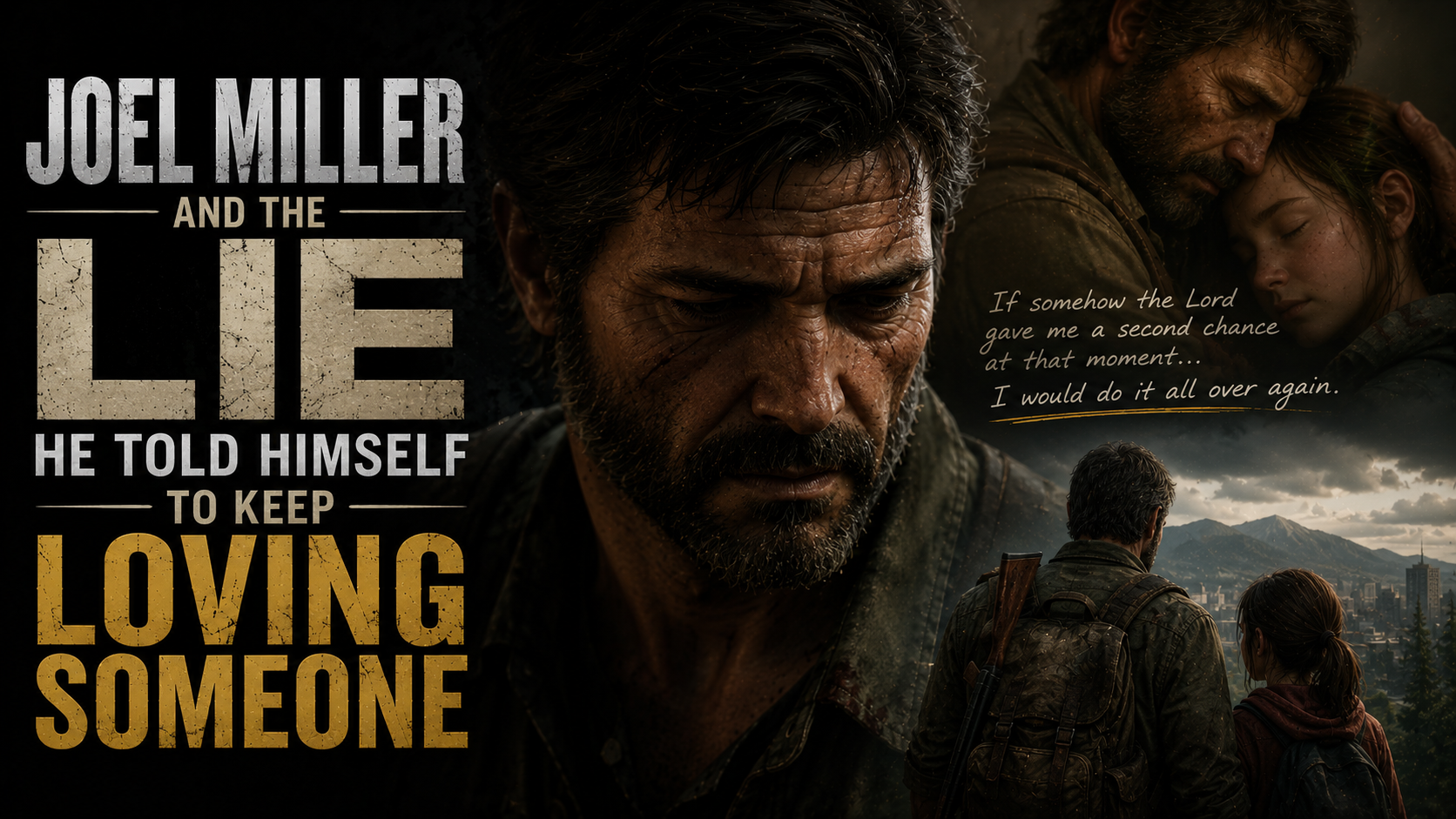
That same idea — that grief, not power, is what makes a story unforgettable — sits at the center of Joel Miller and the lie he told himself to keep loving someone, where an unbearable loss reshapes a protagonist’s entire moral compass. The difference is perspective: Joel’s story asks us to sit inside the grief of the person who loses something. Sephiroth’s story asks us to sit inside the grief of the people left behind, watching the person responsible walk away untouched.
The One-Winged Angel
Sephiroth’s final form, the One-Winged Angel, completes his transformation from fallen hero into mythic figure. The imagery, a single dark wing, an ascension into something beyond human, visualizes everything his character represents: the man who decided he was a god. It is grand, operatic, and deliberately excessive, matching the scale of his delusion.
Inseparable from this is the music. The choral battle theme that accompanies him, with its ominous Latin chanting, elevated the final confrontation into something that felt genuinely epic and sacred, and it became one of the most recognizable pieces of music in all of gaming. The song does character work: its churchlike grandeur frames Sephiroth as a false deity and lends the fight the weight of a cosmic event. The combination of the winged image and the choral theme is a large part of why Sephiroth transcended his own game to become a cultural icon. He looks and sounds like a myth, and so we treat him as one.
Jenova, Manipulation, and the Question of Free Will
One detail that gets flattened in the popular image of Sephiroth as a lone, self-declared god is how much of his path was shaped by something outside of him. The alien entity Jenova doesn’t just alter him biologically; it actively feeds him a version of history designed to break him in a specific direction. Sephiroth’s rage and superiority complex aren’t purely self-generated — they are, in part, cultivated in him by something that needed him broken exactly that way.
This complicates the read on Sephiroth as a purely self-made villain. He is simultaneously an agent making his own monstrous choices and a victim of engineered manipulation, and the story is careful never to fully resolve which one he “really” is. That tension between what a character chooses and what they were built or shaped to become is a recurring obsession in character-driven games. It’s the same question that animates Aloy and the burden of being someone else’s second chance, where a protagonist has to work out how much of her purpose was chosen versus assigned to her before she ever had a say. Sephiroth simply answers the question the opposite way Aloy does: instead of accepting the burden, he decides that being engineered makes him exempt from human obligation altogether.
How the Remake Rebuilds the Myth
The modern Remake project faces an unusual challenge: nearly everyone already knows who Sephiroth is and what he does. Rather than hide him, the Remake leans into this shared knowledge, bringing him into the story far earlier and more directly, and giving him an unsettling self-awareness that seems to acknowledge the weight of his own legend.
This reframing turns the audience’s familiarity into a tool. A first-time player in the original slowly discovered Sephiroth’s threat; a modern player already dreads him, and the Remake plays on that dread, using his early appearances to create tension precisely because we know what he is capable of. It is a clever adaptation strategy, transforming a mystery into a kind of prophecy, and it demonstrates how thoroughly Sephiroth has become a myth we all carry, one the new games can build on rather than establish from scratch.
This isn’t a strategy unique to Final Fantasy. When a story’s protagonist is defined by trauma the audience half-expects going in, the tension shifts from “what will happen” to “how will it happen this time” — the same reframing that makes Senua and the difference between a curse and a diagnosis so effective on repeat playthroughs, where knowing the destination doesn’t dull the dread of the journey; it sharpens it.
Sephiroth Beyond the Game: A Villain That Escaped His Own Story
Few antagonists cross over into general pop culture the way Sephiroth has. He has appeared as a guest character in crossover fighting games, become a recurring subject of cosplay and fan art decades after his debut, and is frequently cited by other developers as a reference point when designing their own villains. This is rare. Most video game antagonists, even beloved ones, stay contained within their own franchise. Sephiroth’s myth was strong enough to escape it.
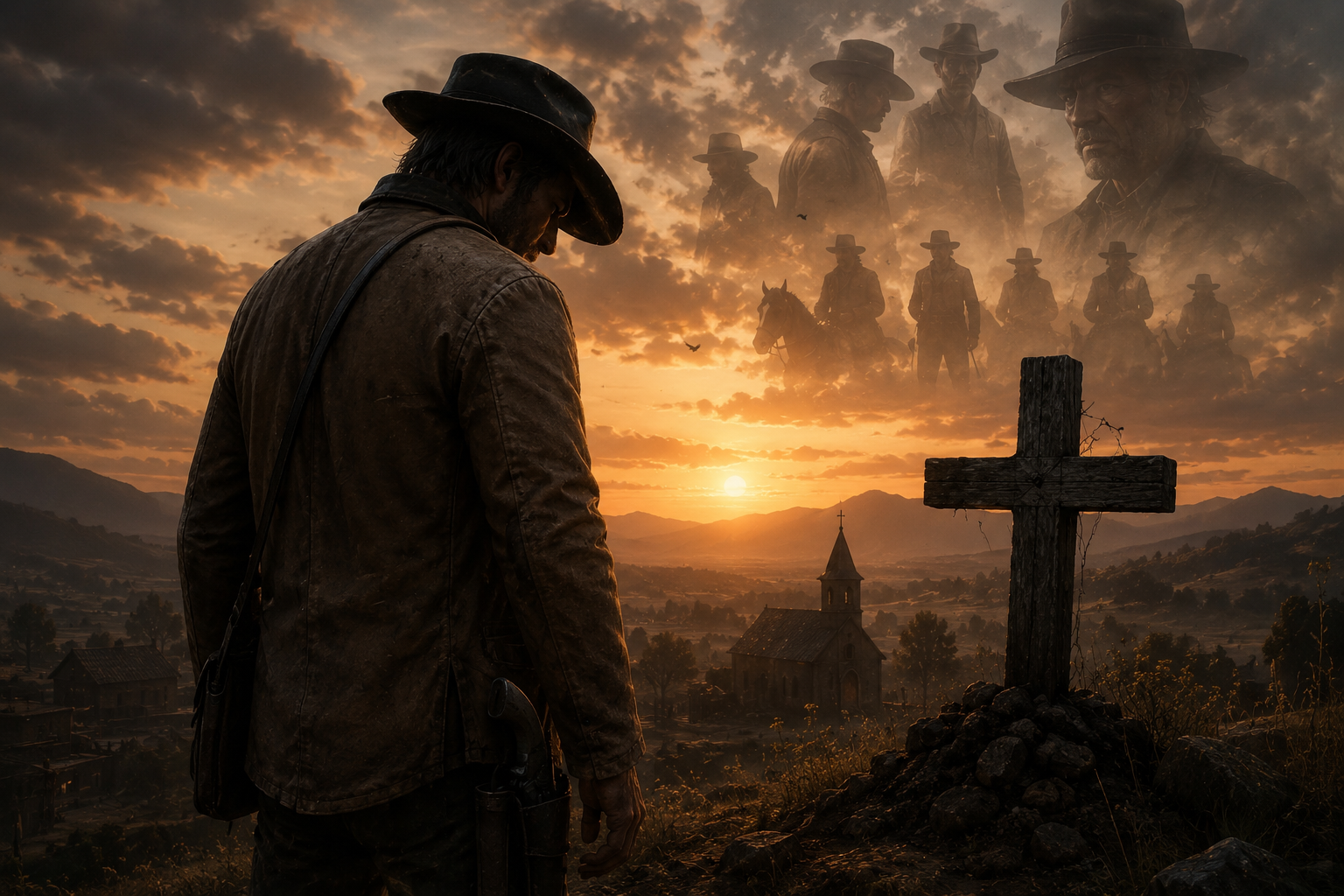
Part of this comes down to sheer visual efficiency: the silver hair, the black wing, the long katana-style blade, and the choral theme communicate “legendary threat” almost instantly, even to someone who has never played Final Fantasy VII. It’s a reminder that iconography does a lot of quiet narrative work — a well-designed villain can tell you who they are before they say a single line, the same way a soldier’s posture and stillness tell you everything about a life spent absorbing orders in Arthur Morgan and the weight of a life spent following orders, long before the writing catches up to confirm it.
Conclusion
Sephiroth is gaming’s iconic villain not because he is the most present or the most explained, but because he is the most mythic. Built from absence, dread, a single unforgettable act, and an operatic final form scored by unforgettable music, he became larger than his own story, a legend the medium keeps returning to and rebuilding. His fall from celebrated hero to self-declared god gives him a tragic core, the manipulation underneath his rage complicates any easy verdict on him, and the personal grief he causes gives his threat lasting weight. Decades on, we are still chasing his shadow, which is exactly the effect he was designed to have.
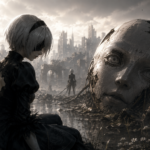
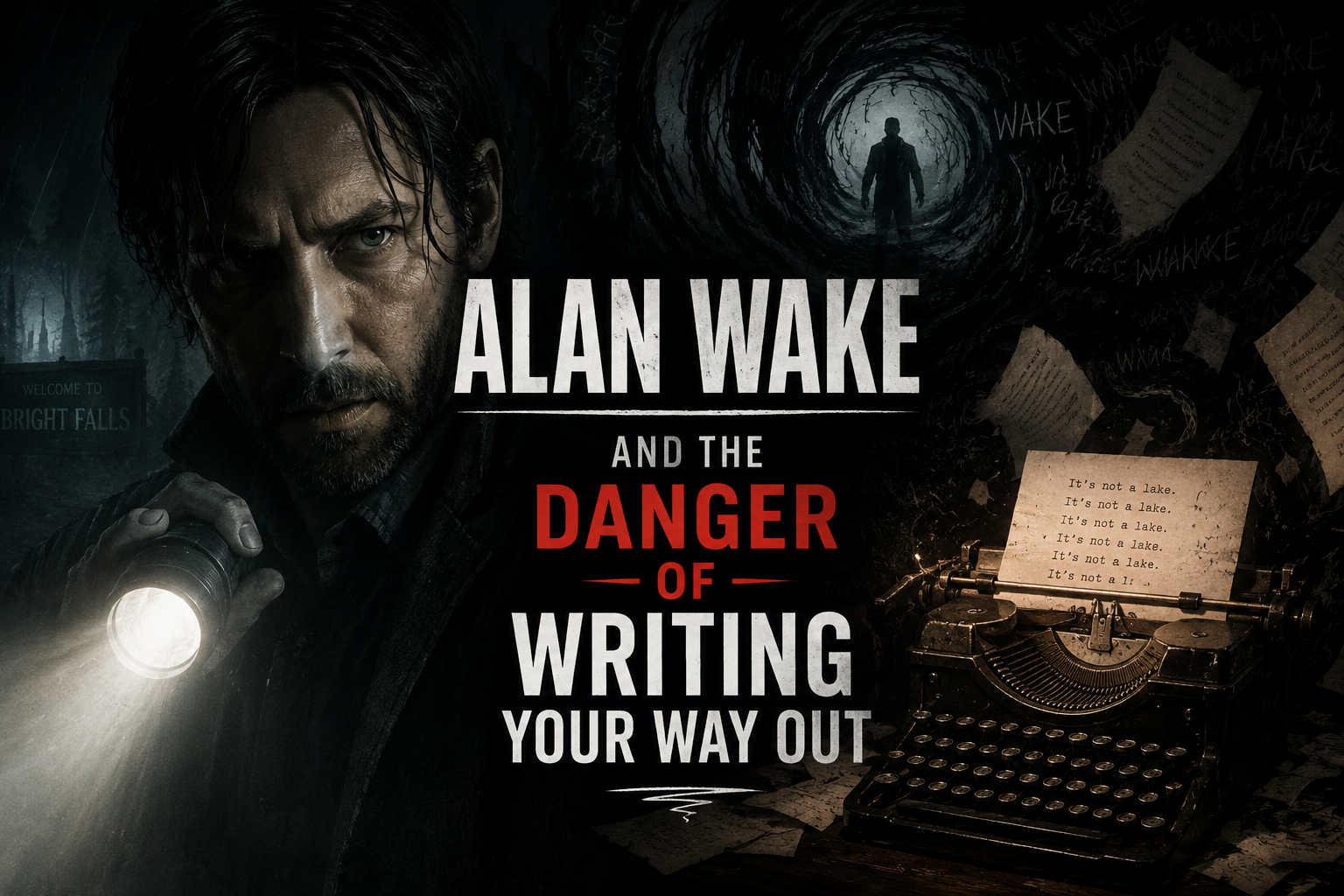
If Sephiroth’s brand of myth-through-absence is the kind of character analysis you’re drawn to, our Characters section breaks down the ideas, wounds, and design choices behind other unforgettable protagonists and antagonists — from 2B and what NieR asks about meaning without memory to Alan Wake and the danger of writing your way out and Jesse Faden and the cost of sharing your own head.
Frequently Asked Questions
Why is Sephiroth considered the most iconic video game villain?
Sephiroth is iconic because his power comes from myth rather than screen time. Built through absence, dread, a single unforgettable act, and an operatic final form with legendary music, he looms over his story as a legend rather than an ordinary antagonist, making him larger than the game itself and endlessly memorable.
What is Sephiroth’s motivation?
Sephiroth’s villainy stems from discovering disturbing truths about his origins and forming a catastrophic misunderstanding about his heritage. This shatters his identity as a revered hero and convinces him he is something superior to humanity, with no obligation to the world or its people. His evil is rooted in a wound to his sense of self.
Why is Sephiroth barely in the original Final Fantasy VII?
Keeping Sephiroth mostly offstage is a deliberate design choice. By having the heroes chase rumors and arrive after his devastation, the game lets the player’s imagination inflate him into an overwhelming, mythic threat. His menace comes from anticipation and absence rather than constant confrontation.
What is the One-Winged Angel?
The One-Winged Angel is Sephiroth’s mythic final form, symbolized by a single dark wing and an ascension beyond humanity that visualizes his belief that he has become a god. It is paired with an iconic choral battle theme whose churchlike grandeur frames him as a false deity and helped make him a cultural icon.
How does the Final Fantasy VII Remake change Sephiroth?
The Remake brings Sephiroth into the story much earlier and more directly, giving him an unsettling self-awareness. Because most players already know his legend, the Remake uses that familiarity to build dread, turning the original’s slow-burn mystery into a kind of prophecy the audience anticipates.
Is Sephiroth a sympathetic villain?
To a degree. Sephiroth begins as an admired hero and falls only after a devastating blow to his identity, which gives him a tragic dimension, and Jenova’s manipulation raises real questions about how much of his path he actually chose. However, the personal grief he inflicts and the godlike contempt he develops for humanity keep him firmly a villain, one whose tragedy explains but does not excuse his actions.