

The save point is one of the most invisible pieces of design in all of gaming. We rarely think about it, yet it silently shapes almost everything about how a game feels: how tense a corridor is, how much a death costs, how brave or cautious we are willing to be. The humble decision of when and how a game lets you preserve your progress is, quietly, one of the most consequential choices a designer makes. This is the story of the save point, and of how a technical necessity became a genuine art form.
This essay traces the save point history from clumsy early workarounds to the near-invisible autosave, and explores how the way a game remembers your progress can create dread, relief, and meaning.
Key Takeaways
- The save point history runs from passwords and battery saves to memory cards, checkpoints, and modern autosave.
- Save systems are not neutral; they directly control tension, risk, and how much any single death matters.
- Designated save rooms can become emotional oases, moments of safety that shape a game’s rhythm.
- Autosave reduced frustration but also removed some of the deliberate weight that manual saving once carried.
- Deciding when a player can save is one of the most powerful and underappreciated tools in game design.
Before Saving: The Age of the Password
In the earliest console era, saving as we know it did not exist. Cartridges had no memory to spare and no clock to keep, so games that were too long to finish in one sitting needed another solution. The answer was the password: a string of letters and numbers displayed at certain points that you were expected to write down on paper. Type it back in later, and the game would restore you to roughly where you had been.
Passwords were clumsy, error-prone, and easy to mistype, but they represented the first attempt to solve a fundamental problem: how do you let a player leave and come back? They also, inadvertently, created a culture of shared knowledge, as players passed passwords around playgrounds and printed them in magazines. It was a crude system, but it established the basic promise of the save: your effort will not be lost.
Battery Saves and the Memory Card
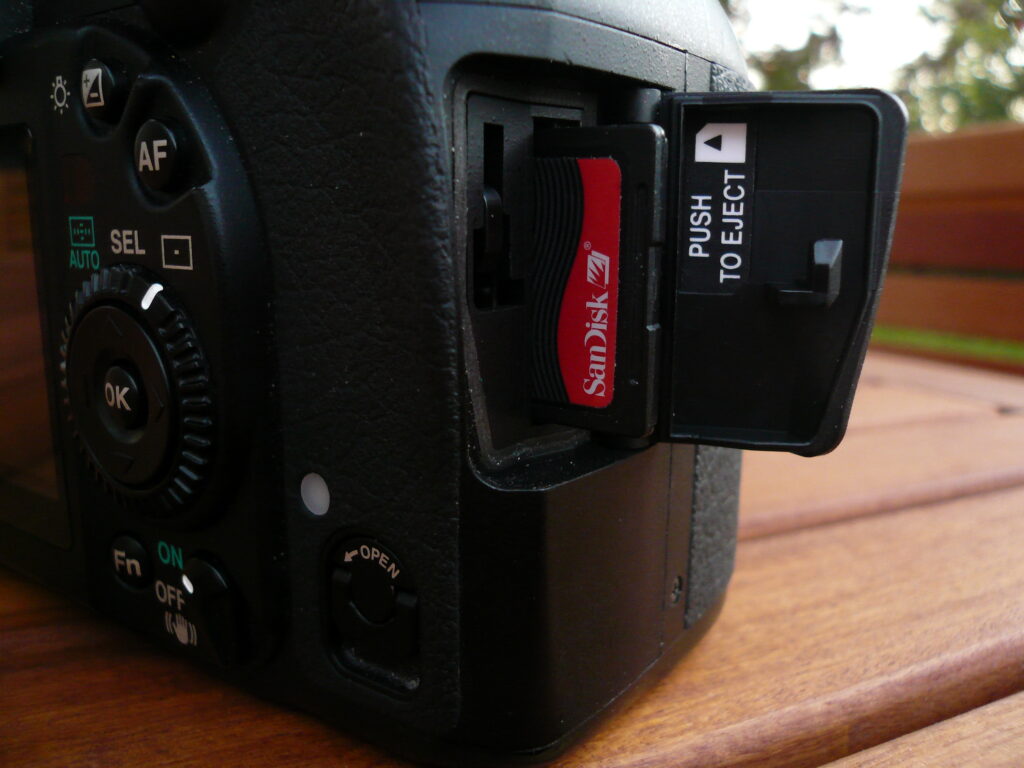
The leap forward came when cartridges began including small batteries that could hold data, allowing games to store progress directly. Suddenly a sprawling adventure could remember your journey between sessions without a scrap of paper. This was transformative for the kinds of stories games could tell, because it made genuinely long, persistent worlds practical for the first time.
Later, the memory card externalized this, giving players a physical object that held their progress and could be carried to a friend’s house. The memory card era cemented an idea that still shapes us: that a saved game is a possession, a record of hours invested, something you could lose and mourn. Anyone who ever had a memory card corrupt knows the particular heartbreak of watching dozens of hours simply vanish, a reminder of how emotionally real our saved progress had become.
The Save Point as a Place
As saving matured, designers realized it could be more than a menu option. It could be a location within the game, and locations carry feeling. Enter the save room: a designated space, often marked by a distinctive sound, light, or object, where the game allows you to preserve your progress.
Safety you can feel
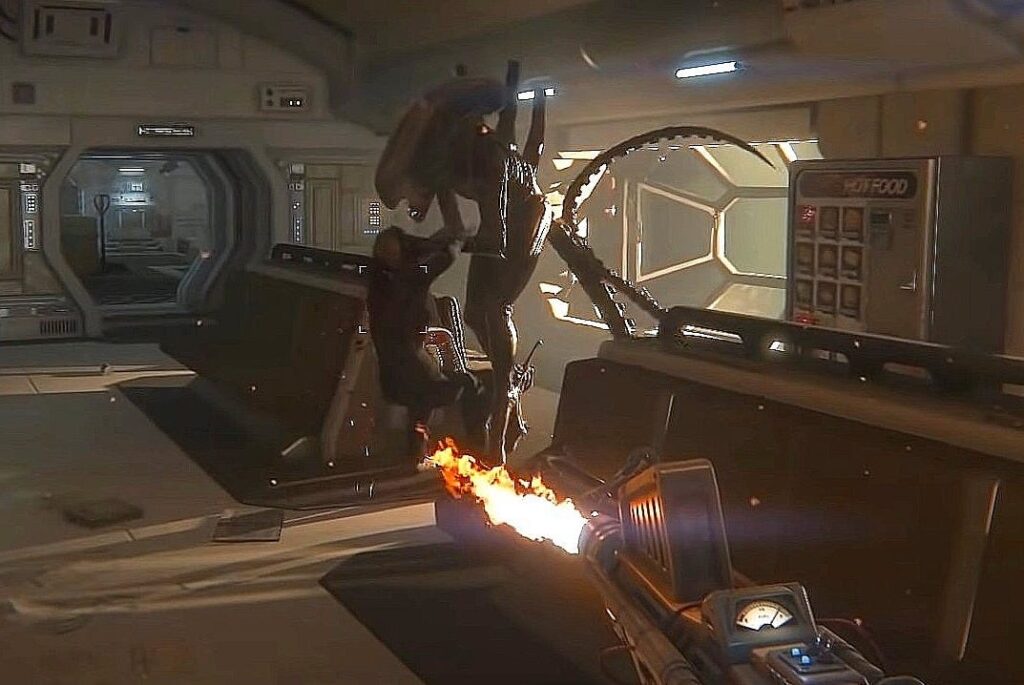
In tense genres, especially survival horror, the save room became an emotional oasis. After creeping through corridors full of danger, arriving at a save point brought a rush of relief that is hard to overstate. The soothing music of a safe room, the knowledge that whatever happens next you will not lose the last hour, transformed these spaces into sanctuaries. Designers learned to place them deliberately, spacing them far apart to stretch tension and drawing them close to offer respite. The save point stopped being mere bookkeeping and became a rhythmic instrument, controlling the pulse of fear and safety.
When saving itself is scarce
Some games went further and made the ability to save a limited resource. When you can only save a handful of times, every decision to do so becomes a genuine choice, and every stretch between saves carries real weight. This turned the save system into a source of dread all its own: the question of whether to spend a precious save now or push a little further became as tense as any monster in the hallway. Scarcity gave the act of saving genuine stakes.
The Rise of Autosave
Modern games largely moved toward the autosave and the checkpoint, quietly recording your progress at frequent intervals without any action on your part. This was, in many ways, a mercy. It eliminated the gut-punch of forgetting to save before a disaster, and it welcomed a broader, busier audience who could not always play in long, careful sessions.
But something was traded away. When the game saves automatically, the player no longer performs the deliberate act of preserving their journey. The relief of reaching a save room, the anxiety of a scarce save, the small ritual of choosing to commit your progress, these faded. Autosave made games kinder and smoother, but also, in a subtle way, less tense. A death matters less when you know the game quietly recorded your position thirty seconds ago. Convenience and consequence sit on opposite ends of a scale, and autosave slid us firmly toward convenience.
Why the Save System Is Really About Consequence
At its heart, every save system is a statement about how much failure should cost. A game with sparse, manual saves says that your mistakes are serious and your progress is precious. A game with constant autosaves says that experimentation is free and your time is respected. Neither is objectively better; they simply create different feelings and suit different intentions.
This is why the best designers treat the save system as a core creative decision rather than an afterthought. A punishing game that autosaved constantly would lose its bite. A relaxing game that only saved rarely would feel needlessly cruel. The distance between save points is, in effect, a dial that controls how much any moment matters, and turning that dial is one of the most powerful things a designer can do.
Conclusion
The save point began as a technical patch for a hardware limitation and quietly grew into one of the medium’s most expressive tools. From scribbled passwords to corrupted memory cards to the invisible autosave, the way games remember our progress has always shaped the way we feel while playing. The next time you breathe a sigh of relief reaching a checkpoint, or agonize over whether to spend a scarce save, notice it. That feeling is not an accident. It is the quiet art of the save point, doing exactly what it was designed to do.
Frequently Asked Questions
What was used before save points in video games?
Before modern saving, early games used password systems. At certain milestones the game displayed a string of characters that players wrote down and later re-entered to restore their progress. This workaround existed because early cartridges lacked the memory to store saved games directly.
How did save systems evolve over time?
The save point history moved from passwords to battery-backed cartridge saves, then to external memory cards, and finally to hard-drive-based autosaves and checkpoints. Each step made preserving progress easier and more reliable, enabling longer, more persistent game worlds and gradually reducing the risk of losing your journey.
Why are save rooms important in horror games?
In survival horror, save rooms act as emotional oases. After navigating danger, reaching a safe space to preserve progress brings intense relief, often reinforced by calming music or visuals. Designers space these rooms deliberately to control the rhythm of tension and safety, making them a key storytelling and pacing tool.
Is autosave better than manual saving?
It depends on the goal. Autosave is more convenient and forgiving, preventing lost progress and welcoming players with limited time. Manual or scarce saving creates more tension and makes failure feel consequential. Neither is universally better; each suits different kinds of games and experiences.
How do save points affect a game’s difficulty?
Save placement directly controls how much a death costs. Frequent saves make failure cheap and encourage experimentation, while distant or limited saves make every mistake significant and heighten tension. In effect, the distance between save points acts as a dial for how much any single moment matters.
Why did losing a memory card feel so devastating?
Memory cards turned saved games into physical possessions representing many hours of effort. When a card corrupted or was lost, players lost tangible records of their progress with no backup, which made the experience feel like losing something genuinely valuable rather than mere data.